

The Part of You That Went Quiet | Somatic Healing for Emotional Numbness
Apr 13, 2026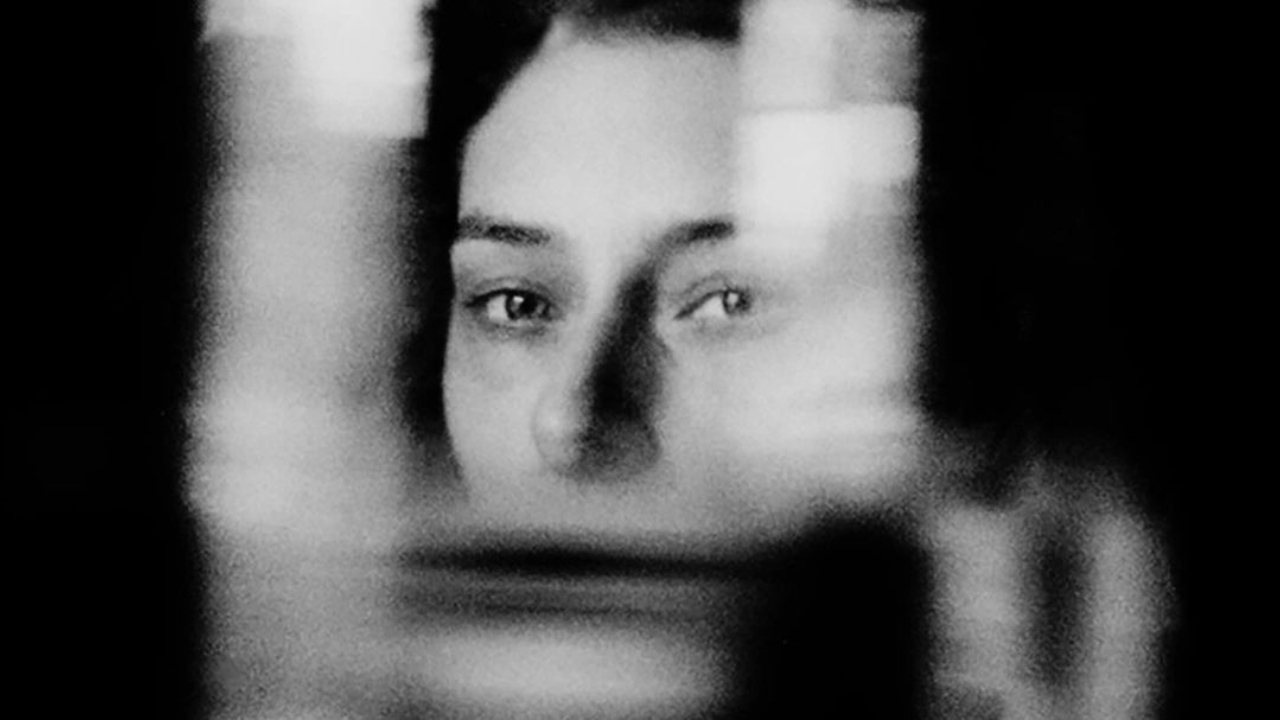
A somatic guide to emotional desensitization — and finding your way back to feeling
By Sah D’Simone – Founder of the Somatic Dance Institute & Creator of the Somatic Activated Healing™ Method
Most people who find their way to this work don't arrive because they're overwhelmed by feeling, but rather, because feeling anything has become strangely distant.
Life is still happening — they're still showing up, still functioning, still caring about the people around them. But somewhere along the way, something went quiet inside.
- The things that used to move them don't quite land the same way.
- Beauty arrives, and they can't fully receive it.
- They feel vaguely outside their own experience, like they're watching it through glass.
If any of that resonates, I want to offer you a different frame for it — one that I think will actually help.
What you're experiencing has a name, a cause, and a pathway back. And it has nothing to do with your capacity to feel, or your willingness, or your strength.
What Desensitization Feels Like From the Inside
Emotional desensitization — you might call it numbness, disconnection, flatness, or just a vague sense of being muted — is subtle enough that most people don't recognize it until they're deep in it. It doesn't arrive all at once. It accumulates, quietly, over years of doing the only thing that felt survivable at the time.
You might recognize yourself in some of these:
- A background flatness that doesn't lift, even on good days
- Going through the motions of things that used to genuinely excite you
- Feeling like you're watching your own life from slightly outside it — present enough to function, but not quite all the way in
- A persistent sense that you should be feeling more than you are, but you can't locate where the feeling went
- Crying less than you used to, or crying and finding it doesn't touch the deeper thing
It gets mistaken for depression, or burnout, or just getting older. And while those things can overlap with it, what's happening here has a specific cause. Your body took in more than it could process, more times than it could count, and eventually turned the volume down. Your system was protecting you the best way it knew how — and at some point, that protection became the walls.
How Emotion Gets Stored in the Body
Most of us were never given a full picture of how emotions actually work in the body. Emotions are physiological events that generate thoughts — they happen in the body first, and the stories and meanings we attach to them come second. When an emotion is allowed to complete its natural cycle, when you feel it fully and move through it, it passes. At its peak intensity, it lasts about 90 seconds. The body is remarkably efficient when we let it do its job.
But most of us learned early that certain feelings weren't safe to have. Too much grief made people uncomfortable. Anger got punished. Even too much joy could feel embarrassing or dangerous depending on the room you grew up in. So you learned to interrupt the cycle — to compress the feeling before it could complete, to think about it rather than feel it, to keep moving rather than let it land.
Every interrupted cycle leaves something behind. Physiologically, in the body — as tension, restricted breath, a nervous system that never quite received the signal that the threat had passed. Over time, the accumulation of all that unfinished business is what produces the flatness. The system is carrying too much weight, and it's been carrying it for a long time.
The Cost Reaches Further Than Your Own Interior Life
When we talk about emotional numbness, we usually frame it as personal suffering. And it is. But the reach of emotional repression goes further than that, and I think it's worth being honest about it.
When you're desensitized, empathy gets harder. Connection gets harder. The emotional language — the actual human language through which we understand each other — starts to go offline. You can still be kind, still show up, still care in the abstract. But something essential in the way you receive other people becomes muted, and you feel that distance even when you can't explain it.
Worth saying too: when we suppress our emotions, we don't only suppress the painful ones. Sometimes your anger is the most important information you have. The tightness in your chest, the heat in your throat — your body signaling that something matters, that something is wrong, that your integrity is being called to respond. Repressing that doesn't create calm. It cuts you off from the compass that knows what you're actually meant to be paying attention to.
The deepest cost of emotional repression is disconnection — from yourself, from the people you love, from your own sense of purpose in the world.
Why Understanding the Problem Isn't Enough
If you've ever tried to think your way out of numbness, you already know how far that gets you. You can understand, intellectually, that you should be feeling more. You can read about it, journal about it, talk about it in therapy for years. All of that has genuine value — and talk therapy does things that somatic work simply cannot. But understanding the problem from the neck up doesn't dissolve what's stored below it.
Permanent change in the psyche and nervous system happens underneath the talking brain, underneath the cognitive narration. The body has to be the entry point, and the felt shift has to come first. Any insight that follows arrives as a recognition of what has already changed — not as an explanation of how it happened.
What Somatic Practice Makes Possible
The SAH method is, at its core, a practice of resensitization. Through body keys, dynamic meditation, somatic movement, trance dance, and positive affirmations, it creates the conditions for stored emotional charge to complete what it started — without requiring you to revisit the story of how it got there. The body is given a pathway to do what it was always designed to do, and it takes it.
What people discover, almost universally, is that the feeling they were most afraid of didn't destroy them. That something in them was present through all of it, watching, and was never actually in danger. That underneath the flatness — underneath everything that accumulated over the years — there was something intact. Something that had gone quiet, but hadn't gone anywhere.
With regular practice, most people notice a gradual but real shift in how they move through the world:
- Creativity comes back online in ways that surprise you
- Genuine intimacy becomes possible again, because you're actually available for it
- The things that used to matter start to matter again, and new things get through that couldn't before
- Difficult feelings — grief, anger, tenderness — stop feeling like threats and start feeling like information
- You stop organizing your days around avoiding your own interior life
Joy returns too. Not performed joy, not gratitude-listed joy, but the spontaneous kind that catches you off guard — laughing at something small, genuinely moved by a song, present in a conversation in a way you haven't been in years. Your nervous system doing exactly what it was built to do — signaling what matters, completing what it started, bringing you back to yourself.
And once you've felt that — once you know what it's like to have an emotion move through you and complete rather than get stuck — your relationship to your own interior life changes permanently. You become someone who can be fully present for their own experience. That changes how you show up for everything else.
Ready to practice this together?
If this resonated, here's where to go next:
- Somatic Dance Sundays: Our weekly, live somatic practice — a regular container for nervous system healing
- Free: Dance for Change Somatic Challenge — a gentle place to start moving with intention
- Somatic Dance Emotional Detox Course — go deeper into body-based emotional processing
- SAH Method Teacher Training Waitlist — for those called to share this work
About Sah D’Simone
Sah D’Simone is a globally recognized spiritual teacher, somatic movement leader, author, and humanitarian. His work weaves Buddhist contemplative practice, trauma-informed movement, and embodied liberation into grounded, accessible pathways for healing and transformation. He has taught internationally, collaborated with leading hospitals and universities, and is the founder of the Somatic Activated Healing Method. His teaching is rooted in lived experience as much as lineage — and in the belief that the body has always known how to heal.
