

Disconnection from the Body: The Hidden Epidemic and How to Return Home
Dec 10, 2025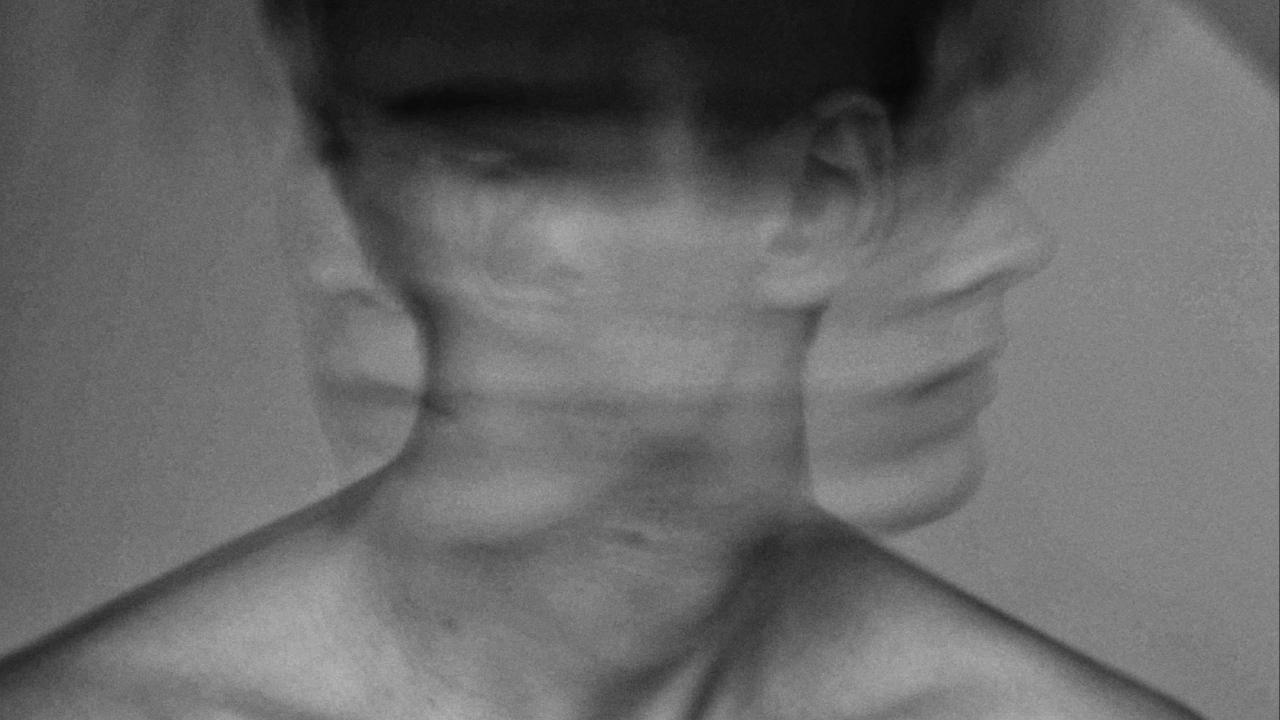
By Sah D’Simone – Founder of the Somatic Dance Institute & Creator of the Somatic Activated Healing™ Method
There is a question I hear more often than almost anything else:
“Why do I feel disconnected from my body?”
People whisper it.
They cry it.
They offer it with embarrassment or fear.
And each time, I want to cup their face and say:
"My love, you are not broken. You are simply human."
You are navigating a world that rewards leaving yourself—
the very vessel that keeps you alive.
Body disconnection isn’t a personal flaw.
It’s a cultural wound.
A survival adaptation.
A response to overwhelm.
A way the body does what it must when life becomes too much.
And for so many, it begins long before we have words for what is happening.
I know this intimately.
My Story: Growing Up Far Away From Myself
Some people recall childhood in vivid scenes—
colors, smells, summers, favorite meals.
For years, I wondered why I couldn’t.
Why my early life felt blurred around the edges,
as if parts of me had stepped out of the frame.
I blamed myself.
I thought my memory was failing.
But the truth is simpler, and far more human:
I don’t remember because my body was protecting me.
My parents loved us deeply,
and they were also caught in a long, chaotic relationship.
They worked nonstop. They were exhausted.
There were three children, two overwhelmed adults,
and more emotional need than anyone could meet.
And I was the wild one—
curious, sensitive, too big for the container I was in.
When the world around a child feels unstable or too loud,
the body learns that feeling is dangerous.
So it turns the dial down.
It pulls you inward, or out of reach.
It keeps you alive by creating distance.
Memory lives in sensation.
When sensation dims, memory loosens.
The story can’t record fully when the body is overwhelmed.
So when people say,
“I don’t remember my childhood,”
they’re not defective.
They adapted.
They survived.
Numbing as a Way of Living: My Twenties
By my twenties, the disconnection was unmistakable.
Alcohol.
Drugs.
Numbing through familiar, culturally sanctioned escapes.
Not because I was reckless—
but because I had never learned how to inhabit myself.
Substances offered space from feelings I didn’t understand
and from a body carrying stories I wasn’t ready to face.
Looking back, I moved through life like a ghost.
I functioned.
I achieved.
I performed.
But I wasn’t in myself.
For many, this is the reality.
Numbing isn’t moral failure.
It’s the nervous system saying,
“Let me turn this down until you can bear it.”
The Shattering: Depersonalization, Derealization, and Losing My Mother
And then my mother died.
When she took her last breath, something split open inside me.
The body breaks differently when the person who shaped your universe
is no longer here to call your name.
The depersonalization and derealization that followed
weren’t punishments.
They weren’t signs that I had “gone backwards.”
They were my system trying to survive a loss too vast to hold.
I had been sober for years.
Working on myself.
Practicing presence.
Learning how to stay in my body.
And still—
grief tore through everything.
Nothing you study, practice, or master
can protect you from the earthquake of losing a mother.
Grief is physical.
It rearranges you.
It bends time, strips away control,
and brings you face-to-face with the truth of being alive.
Some days I felt every cell.
Other days I hovered somewhere behind myself,
as if embodiment flickered on and off.
Not because I was broken—
because my body was protecting me
from the weight of a love with nowhere left to land.
And even then, in the disorientation,
something inside me still knew the path.
The body always knows the way home.
Why So Many of Us Feel Disconnected
What most people miss is this:
body disconnection is an intelligent response.
There are many roots, but often they fall into three realms:
1. Childhood Overwhelm
Unpredictable, unstable, or emotionally intense homes teach the body
that feeling too much equals danger.
So it numbs. Fragments. Withdraws.
2. Cultural Conditioning
We are raised in systems that glorify disconnection:
Push harder.
Override the body.
Perform at all costs.
Don’t feel.
Just function.
This is not human; it is survival inside capitalism.
3. Trauma and Grief
Trauma disorients.
Grief dismantles.
Both alter our relationship to time, sensation, and presence.
Both ask more of the body than it knows how to process.
None of this means we’ve failed.
It means we’ve survived.
Buddhist Wisdom: The Body as the Doorway
In Buddhist teachings, the body is not the obstacle—
it is the entrance.
The Buddha taught,
“Within this very body lies the world.”
Meaning:
every truth, every liberation, every moment of awakening
lives inside our own flesh.
We cannot think our way into healing.
We must feel our way back.
Embodied Truth: Sensation as Teacher
The body does not lie.
It does not abandon.
It waits.
Sensation is its language.
Movement completes what was once interrupted.
Sound releases what was trapped.
Breath returns us to now.
When we turn away from sensation,
we turn away from the very medicine we need.
My Return Home: Dance as Lifeline
Movement saved me.
It brought me back into my body when nothing else could.
Dance let me feel without collapsing,
grieve without drowning,
and inhabit myself again after devastating loss.
Dance pulls me from my head into my bones—
into pulse, breath, and the miracle of being alive.
I learned to move from the inside out:
from sensation, trembling, tenderness,
from the raw truth beneath the story.
This is the heart of my work.
This is what we teach at the Somatic Dance Institute.
Not performance, choreography, or perfection.
We teach coming home to yourself.
Feeling instead of analyzing.
Following sensation instead of old narratives.
Letting movement be medicine.
How to Begin Reconnecting With Your Body
Gentle practices for anyone:
1. Name a single sensation.
Warm. Tight. Heavy. Numb.
2. Lower the breath.
Hand on belly—feel the rise and fall.
3. Shake for one minute.
Release what the mind can’t touch.
4. Hum for thirty seconds.
Vibration brings you back.
5. Put on one song and move.
Not to perform—just to feel something true.
Even ten seconds of real movement can begin the return.
Closing: You Are Not Failing
Feeling disconnected does not mean you’re doing something wrong.
It means your body carried you through more than anyone saw.
It means your adaptations were wise, sacred, and protective.
But survival is not the end of your story.
You deserve presence.
You deserve sensation.
You deserve to inhabit your own life.
This is the work of the Somatic Dance Institute—
a return to the body, to truth, to yourself.
Welcome home.
To learn more and try Somatic Dance for yourself:
• Get my free resource: Dance for Change: 3-Day Challenge
• Come to Somatic Dance Sundays, every week with Sah
• Go deeper with Somatic Dance Emotional Detox: a 24 practice journey from emotional baggage to embodied freedom
• Join the waitlist for the next Somatic Activated Healing Certification
